SoftNest Journal
Is the GROWNSY EaseClean Worth It When Bottle Washing Takes Over the Kitchen?
A practical look at what an all-in-one bottle washer changes, what it does not, and how it fits into a feeding setup.
Washing Bottles by Hand Gets Old in a Very Specific Way
There are baby chores that at least come with a cuddly baby attached. Bottle washing is not one of them.
It is repetitive, damp, oddly time-consuming, and always waiting for you at the sink. By the time you add bottle parts, nipples, collars, pacifiers, and pump pieces, the job starts to feel less like cleanup and more like a tiny assembly line no one asked for.
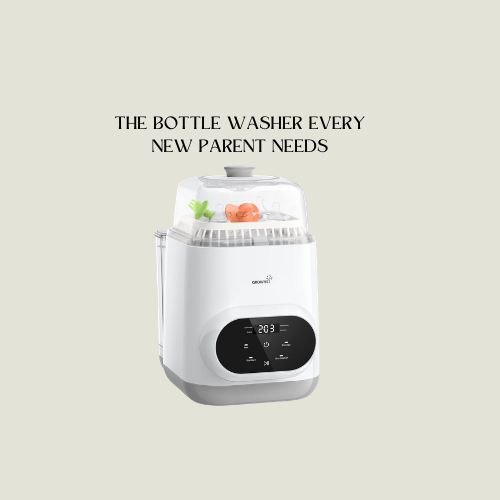
That is why a product like the GROWNSY EaseClean Bottle Washer exists in the first place. It is trying to compress washing, sterilizing, and drying into a single routine for parents who are tired of doing those steps one by one.
That is a sensible target.
Why This Problem Hits Hard in the Newborn Months
The earlier months are where the repetition really shows up.
Bottles get used often. Pump parts need cleaning. Everything seems to come back around just after you thought you were finally caught up. Even if each wash cycle is manageable, the cumulative effect is what wears people down.
That is the real argument for automation. Not that hand washing is impossible. Just that it has a habit of appearing at the exact moment you have run out of patience for one more small domestic task.
The Practical Case for an All-in-One Washer
The GROWNSY model is built around convenience: wash, sterilize, and dry in one machine, with room for bottles and some pump parts. That is useful for parents who want fewer steps and a more contained routine.
If the machine fits the bottles and parts you actually use, the appeal is fairly obvious:
- less time standing over the sink
- one machine handling multiple steps in sequence
- cleaner handoff between caregivers
- less counter clutter while items are drying
That last piece matters more than it sounds. The bottle mess is rarely just a hygiene problem. It is a kitchen-chaos problem.
What It Helps With and What It Does Not
The bottle washer can take a repetitive cleanup task and make it more automatic. That is valuable.
It does not mean you stop thinking.
You still have to make sure the items you place in it are compatible with machine washing and sterilizing. You still have to follow the manufacturer’s instructions for the bottles, pump parts, and machine. And you still need a sensible feeding routine around it.
That is the grown-up version of the pitch. Automation helps most when it is attached to attention, not when it replaces it.
Why This Makes More Sense as Part of a System
No product in the bottle-feeding category is especially impressive on its own.
The real relief comes when the parts connect.
If you are formula feeding often, Baby Brezza Formula Pro Advanced: A Faster Way to Prepare Baby Bottles is the obvious sister article because prep and cleanup are the two ends of the same recurring job.
If your problem is not washing but clutter, the lower-tech answer may be enough: the Lifewit Baby Bottle Drying Rack. Not every family needs a machine to fix what is really just a messy counter.
And if feeding itself is still a struggle, a cleanup appliance is not where I would start. In that case, Why Your Baby Keeps Rejecting the Bottle (And the Simple Fix That Actually Works) is probably the more relevant problem to solve first.
Where the Machine Earns Its Place
A bottle washer is most useful in houses where feeding gear is in constant rotation and the sink is beginning to feel like a second job.
It tends to make the most sense if:
- bottles are used many times a day
- pump parts are part of the routine too
- multiple caregivers need a shared cleanup system
- counter space is limited and drying clutter is getting tiresome
- the family values time saved more than minimalist countertops
That is the honest filter.
If you barely use bottles, this may be excessive. If you use them constantly, it may feel like a fair trade.
Hygiene Is the Serious Part, Convenience Is the Bonus
This is where the tone should sharpen a bit.
Clean feeding gear matters. That is not up for debate. If a machine helps you keep up with the routine reliably, then it is doing something worthwhile. But the machine is not a permission slip to become casual about cleaning, setup, or compatibility.
Parents sometimes hear “all in one” and imagine the product has magically removed every decision. It has not.
The responsible way to use a machine like this is still to:
- read the manual
- use it with items that are compatible with the cleaning cycle
- keep the machine itself maintained
- avoid assuming every feeding accessory belongs in every device
That is less sexy than product copy, but it is more useful.
Counter Space and Workflow Matter More Than the Brochure Suggests
People often judge these machines by the promise of less work and forget to judge them by how they fit the kitchen.
That matters more than it sounds.
If the washer fits where your clean bottles naturally need to go, and if the cycle timing lines up with how often you use bottles, the machine starts acting like part of the routine. If it lands in an awkward corner, crowds the prep area, or creates a second layer of sorting and shuffling, then some of the convenience leaks out fast.
That is why I would picture the actual workflow before buying it. Where do dirty bottles collect? Where do clean ones land? Who empties the machine? Who restocks the feeding station? Those are not thrilling questions, but they are the ones that decide whether the machine becomes genuinely helpful or just slightly expensive scenery.
What I Would Compare It Against
I would compare this bottle washer against two alternatives, and be honest about which one actually fits your house.
The first is the sink-and-rack method. That is cheaper and perfectly workable for many families, especially with something like the Lifewit Baby Bottle Drying Rack.
The second is a more fully automated feeding station, where prep and cleanup are both streamlined. That is the logic behind pairing this with the Baby Brezza Formula Pro Advanced if your household uses formula heavily and wants to reduce both ends of the cycle.
The right answer depends less on what is trendy and more on how often your sink becomes a source of resentment.
What I Would Not Do
I would not buy a bottle washer because social media made it look like every decent parent owns one.
I would not treat it like a cure-all for a feeding system that is disorganized in five other ways.
I would not skip the compatibility checks and just assume pump parts, bottle components, and accessories all belong in the same cycle.
And I would not dismiss the lower-tech options if the real issue in your house is clutter, not labor.
Convenience Is Only Good When It Matches Reality
That is where I land on this category.
If washing and drying bottles by hand is eating a silly amount of time and energy in your week, the GROWNSY EaseClean Bottle Washer is a practical machine with a very understandable purpose. It can help compress the cleanup routine and free up some attention for everything else that is already happening in a house with a baby.
Just keep the expectations sane. It is not magic. It is a cleanup tool.
Sometimes that is exactly enough.
Keep reading
Two useful next stops.
2026-03-13
Is the Baby Brezza Formula Pro Advanced Worth It for Daily Bottle Prep?
A factual, practical look at what an automatic formula maker helps with, what it cannot do, and where it fits in a real feeding routine.
2026-03-20
How to Keep Baby Bottles Clean, Dry, and Out of the Way
Why a proper drying setup can make bottle feeding feel less chaotic and keep clean parts easier to manage.