SoftNest Journal
When Your Baby Keeps Rejecting the Bottle: What Actually Helps
A practical look at bottle refusal, from bottle shape and milk temperature to pacing and feeding setup.
Bottle Refusal Is One of Those Problems That Can Make You Doubt Everything
When a baby refuses the bottle, the whole thing feels absurdly personal.
You bought bottles. You washed them. You warmed the milk. You sat down with the best of intentions. And then your baby acts as if you have offered something deeply insulting.
That happens in more homes than people admit.
Bottle refusal can show up for all sorts of reasons. Sometimes the baby is not quite hungry enough. Sometimes they are too hungry and already upset. Sometimes they are used to breastfeeding and the bottle feels wrong in the mouth, wrong in the flow, or wrong in the hands of the wrong person at the wrong time. None of that means you are failing. It means babies are particular.
What helps is taking a less dramatic view of the problem. Often the first question is not, “Why is my baby doing this to me?” The first question is, “What part of the feeding setup is making this harder than it needs to be?”
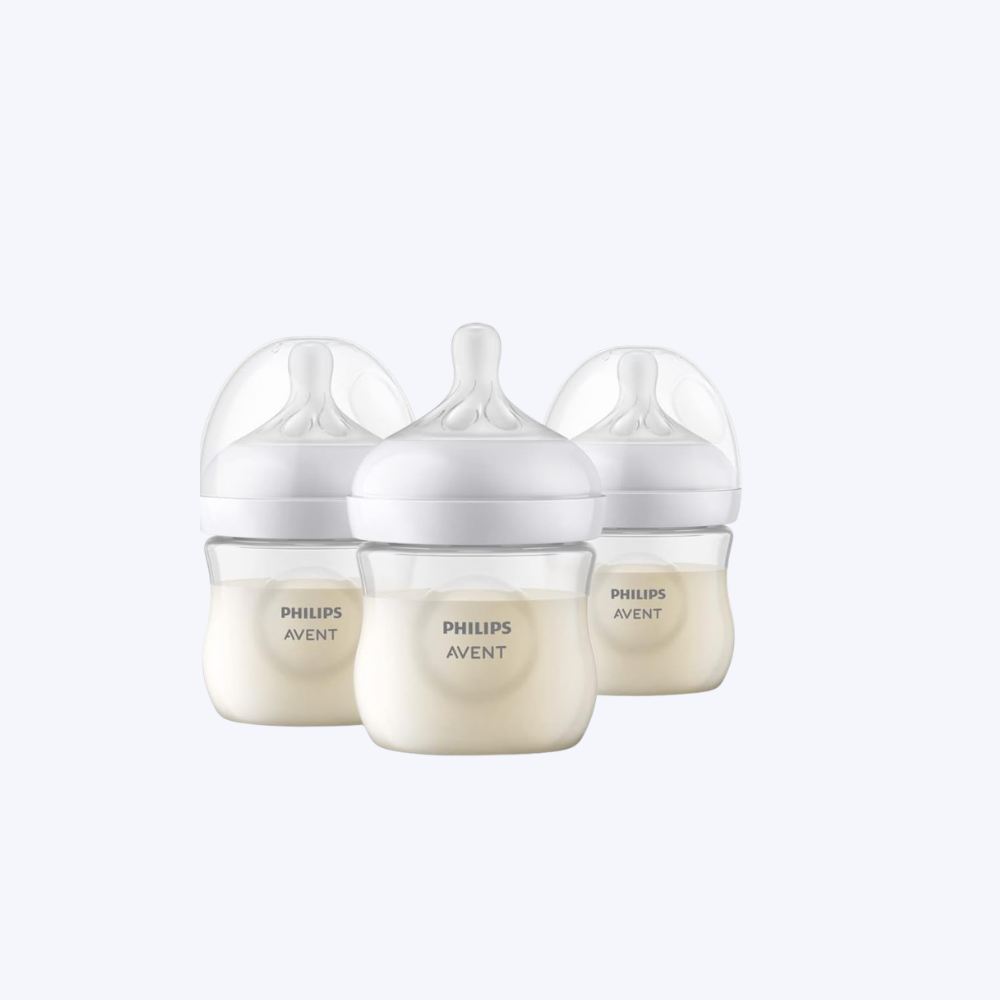
That is why the Philips Avent Natural Baby Bottle is worth paying attention to. It is designed to feel more breast-like and to support a pace closer to active sucking rather than a constant stream of milk. That does not guarantee instant success, but it does address one of the most common friction points: the bottle simply feels too different.
Sometimes the Bottle Is the Problem, Not the Baby
This is the sentence tired parents usually need to hear.
Some bottles flow too fast. Some nipples feel too stiff. Some babies gulp, cough, pull away, or get annoyed because the bottle experience does not line up with what they are expecting. That is especially common in combo-feeding situations, where a baby is switching between breast and bottle and noticing every difference.
A bottle that is built around a more natural latch and a more baby-led pace can help because it reduces the sense that milk is arriving all at once whether the baby wants it or not. That is the logic behind this Philips Avent bottle.
Again, it is not a miracle device sent to rescue your Tuesday. It is simply a better starting point for babies who seem bothered by standard bottle flow or shape.
A Better Bottle Helps Most When You Fix the Whole Situation Around It
Bottle refusal is rarely solved by equipment alone.
How you offer the bottle matters. The mood matters. The timing matters. The room matters more than anyone wants to admit when everybody is already tired.
Caring for Kids suggests not forcing feeds and paying attention to the baby’s cues. That lines up with experience too. Babies usually do better when the offer happens before things become frantic.
A few habits tend to help:
- offer the bottle when the baby is calm rather than already furious
- let a different caregiver try if the baby strongly prefers breastfeeding with one parent
- keep the room reasonably quiet instead of turning the offer into a performance
- stay consistent with the bottle and nipple you are testing long enough to learn something from it
That last part matters. If you change bottle systems every two feeds, you do not really know what is working and what is not. You just know everyone is tired.
Temperature Can Be a Hidden Saboteur Too
Here is the other thing people miss. Sometimes the bottle itself is fine, but the milk temperature is all over the place.
Some babies do not care. Some absolutely care.
If you are warming milk by feel and guesswork, you may be serving a different experience every time. That is not ideal when you are already asking a reluctant baby to accept a bottle in the first place.
That is where Stop Guessing Bottle Temperature: The Easiest Way to Warm Baby Milk Safely becomes relevant. A more consistent warming routine can remove one variable from the experiment.
It sounds small. In practice, small variables are often the whole story.
What This Bottle Is Actually Good For
The value of the Philips Avent bottle is not that it promises a fantasy of perfect feeding. The value is that it is a sensible option for babies who seem to need a more natural-feeling bottle experience.
Based on the product design and positioning, the advantages are fairly practical:
- a more breast-like feel for babies moving between breast and bottle
- a pace that is meant to respond to active sucking instead of a free-flow flood
- a shape that can feel more familiar for babies resisting standard bottles
- a simpler path for families trying to reduce feeding drama rather than win a gadget contest
That is the level-headed case for it.
What I Would Watch For If Refusal Keeps Going
There is a difference between a baby being fussy about the bottle and a baby struggling more broadly with feeding.
If refusal is persistent, if feeds are taking forever, if the baby seems distressed, or if you are worried about intake, weight gain, or wet diapers, stop treating it like a shopping problem and check in with your pediatrician or other health professional. That is not a failure of the bottle. That is just the right line between a routine problem and a medical one.
The internet has a bad habit of flattening every feeding issue into a “buy this” recommendation. Real life is a bit messier than that.
The Rest of the Feeding Routine Still Has To Function
Even when the bottle problem improves, feeding can still feel annoying if the rest of the system is chaotic.
If warming milk is inconsistent, fix that.
If washed parts are always scattered across the counter, fix that too.
The Lifewit Baby Bottle Drying Rack is the sort of practical sidekick that matters because it keeps nipples, collars, bottles, and small parts together instead of turning every feed into a scavenger hunt.
That sounds unromantic. It is also exactly how routine stress gets reduced in real houses.
What I Would Not Do
I would not force a bottle into a baby who is already upset enough to be fully offended by your existence.
I would not swap bottle systems every few hours out of panic.
I would not assume refusal means the baby is stubborn or that you somehow introduced the bottle wrong forever.
And I would not forget that sometimes the fix is environmental and procedural, not just mechanical. The calmer the setup, the better your odds.
The Goal Is Not Perfect Feeding. The Goal Is Less Friction.
That is the useful way to think about this. You are not trying to engineer a flawless baby. You are trying to remove the parts of feeding that are needlessly irritating.
If your baby seems to fight the bottle because the experience feels too different, the Philips Avent Natural Baby Bottle is a sensible place to start. Use it consistently, offer it when the mood is right, and tidy up the rest of the routine so you are not troubleshooting five problems at once.
Then, if temperature is still making feeds harder than they need to be, go next to Stop Guessing Bottle Temperature: The Easiest Way to Warm Baby Milk Safely.
Sometimes the small fixes are the ones that finally let the whole thing work.
Keep reading
Two useful next stops.
2026-03-13
Is the Baby Brezza Formula Pro Advanced Worth It for Daily Bottle Prep?
A factual, practical look at what an automatic formula maker helps with, what it cannot do, and where it fits in a real feeding routine.
2026-03-20
How to Warm Baby Milk Safely Without Turning It Into a Guessing Game
A practical look at bottle warming, safe milk handling, and the small setup changes that make night feeds easier.