SoftNest Journal
How to Warm Baby Milk Safely Without Turning It Into a Guessing Game
A practical look at bottle warming, safe milk handling, and the small setup changes that make night feeds easier.
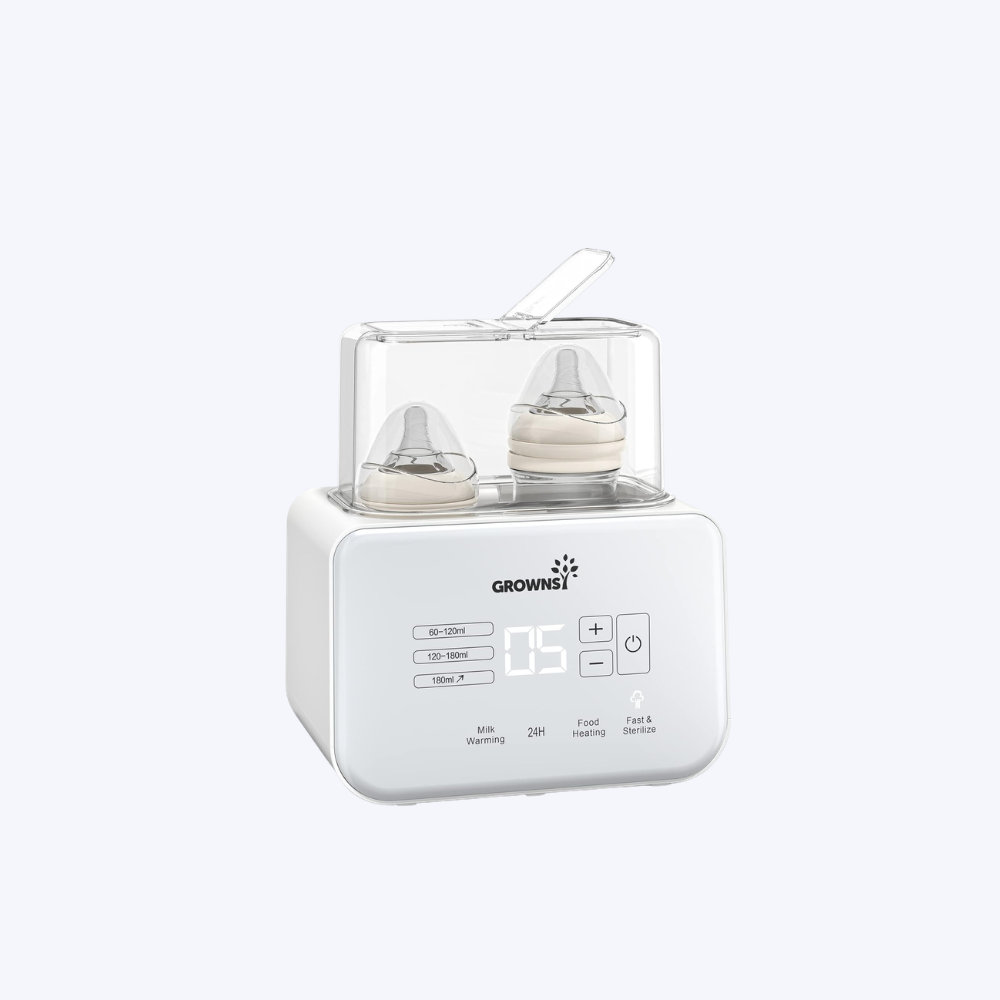
Bottle Warming Should Not Feel Like a Small Domestic Emergency
There is a special kind of fatigue reserved for the parent standing in a dark kitchen at 2:14 a.m., trying to warm milk without warming it too much, too little, or so slowly that the baby decides the evening is now a formal complaint.
Bottle warming sounds simple until you are doing it while tired.
Some families use a mug of hot water. Some hold the bottle under warm running water. Some, against better advice, are tempted by the microwave because the baby is already crying and patience has left the building. That is where the routine starts to go sideways.
The broader point is this: the stress often comes less from feeding itself and more from the sloppy little steps around it. If you can make those steps predictable, the whole feeding rhythm feels easier.
That is where the 8-in-1 Baby Bottle Warmer earns its keep. Not because every family needs another countertop appliance, but because consistency is worth more than most people think when the day is already chopped into small, tired pieces.
Why Warming Milk Feels More Annoying Than It Should
The usual problem is not that warming milk is impossible. It is that the common methods are annoyingly inconsistent.
A bowl of hot water works, until it feels slow and you are left guessing whether the middle of the bottle is still cool. Running water works, until you realize you have been standing there longer than you meant to. The microwave is a poor shortcut. Caring for Kids notes that heating bottles in the microwave can create hot spots, which is exactly the sort of surprise nobody wants in baby feeding.
Health Canada’s postpartum guide suggests gently warming expressed milk in a container of hot water. That is sound advice. It is also the sort of advice that works better when you are calm, reasonably rested, and not trying to do it three times before sunrise.
A bottle warmer is useful because it removes some of the guesswork. That is the entire case for it.
What a Good Warmer Actually Improves
A warmer is not magic. It will not fix every feeding problem or make your baby instantly more agreeable. What it can do is make one repeat task more dependable.
That matters in a house with a newborn.
This particular warmer is positioned as a practical everyday tool: fast warming, temperature support, and extra functions for families who are juggling both formula and stored milk. In real life, the benefit is not glamour. The benefit is that you stop improvising every single bottle.
That changes more than you might expect.
A steadier routine tends to mean:
- less fumbling while the baby is already upset
- fewer half-guesses about whether the bottle is ready
- a smoother handoff between whoever is on feed duty
- less temptation to use shortcuts you already know are not ideal
That last point is worth saying plainly. When the routine is clumsy, people get impatient. When it is predictable, people make better decisions.
A Warmer Helps, but the Rest of the Feeding Setup Still Matters
This is the part most product posts glide past.
You can own a decent warmer and still have a chaotic feeding routine if the bottle itself is not a good fit, the clean parts are scattered everywhere, or the night setup is a shambles.
If your baby is also fighting the bottle, the next place to look is often the bottle design and nipple flow. The Philips Avent Natural Baby Bottle is the related product that makes the most sense here because it is designed to feel more breast-like and to support a baby-led pace instead of a constant free pour.
And if your kitchen counter looks like the aftermath of a low-budget science experiment, the Lifewit Baby Bottle Drying Rack is the practical companion piece, because warming bottles is only half the story. The rest of the job is keeping them clean, dry, and easy to grab without hunting for nipples and rings while half asleep.
That is the part no one mentions in the registry fantasy stage.
What To Keep in Mind If You Are Warming Expressed Milk or Formula
There is no sense being precious about this. The appliance does not replace basic feeding judgment.
If you are warming expressed milk, handle it gently and warm only what you need. If you are preparing formula, follow the preparation guidance for your formula and the instructions for whatever device you are using. The job is not just speed. The job is doing it properly, every time, without needing to think through the whole sequence from scratch.
That is why routine beats heroics.
The most useful warming setup is usually the one that answers these questions cleanly:
- can you use it consistently when tired
- can another caregiver use it without a long explanation
- does it fit the bottles you actually use
- does it help the night routine feel calmer instead of fussier
If the answer is yes, then it is probably worth the counter space.
The Night Feed Problem Is Usually a Systems Problem
The reason this category matters at all is that bottle warming is rarely the only frustration. It sits in the middle of a chain.
The baby is hungry.
The bottle needs warming.
The parts are on the rack.
The bottle needs to be accepted.
Then the whole process starts again in a few hours.
That is why the better question is not, “Is a warmer nice?” The better question is, “Does this make the system less irritating?” If it does, that counts for a lot.
For formula-feeding households that want even more automation, Baby Brezza Formula Pro Advanced: A Faster Way to Prepare Baby Bottles may be the more relevant next read. For mixed feeding or simpler routines, the warmer is often enough.
What I Would Not Expect From It
A bottle warmer is helpful. It is not a miracle.
I would not expect it to solve bottle refusal on its own. I would not expect it to matter if your baby happily drinks room-temperature milk. And I would not buy one under the illusion that every family must have the exact same feeding setup to function.
Some families genuinely do fine with a mug of hot water. Others are one bad night away from losing patience with the whole arrangement. Know which camp you are in.
That is more useful than pretending there is one correct way to warm milk.
If You Want Feeding To Feel Less Chaotic, Start With the Repeated Friction
That is the real argument for a warmer. Not luxury. Friction reduction.
When you stop guessing at bottle temperature, one small piece of the day gets steadier. That makes the rest of the routine easier to build around. And with a baby, easier counts.
If that sounds familiar, the 8-in-1 Baby Bottle Warmer is worth a look. Pair it with a bottle your baby actually accepts, keep your clean parts organized, and do not overcomplicate the rest.
And if bottle acceptance is still the bigger fight in your house, read Why Your Baby Keeps Rejecting the Bottle (And the Simple Fix That Actually Works) next.
That is usually where the real trouble starts.
Keep reading
Two useful next stops.
2026-03-13
Is the Baby Brezza Formula Pro Advanced Worth It for Daily Bottle Prep?
A factual, practical look at what an automatic formula maker helps with, what it cannot do, and where it fits in a real feeding routine.
2026-03-13
Is the GROWNSY EaseClean Worth It When Bottle Washing Takes Over the Kitchen?
A practical look at what an all-in-one bottle washer changes, what it does not, and how it fits into a feeding setup.