SoftNest Journal
Why Is a Humidifier Important for Babies and Toddlers? Benefits, Pros, Cons, and Winter Tips
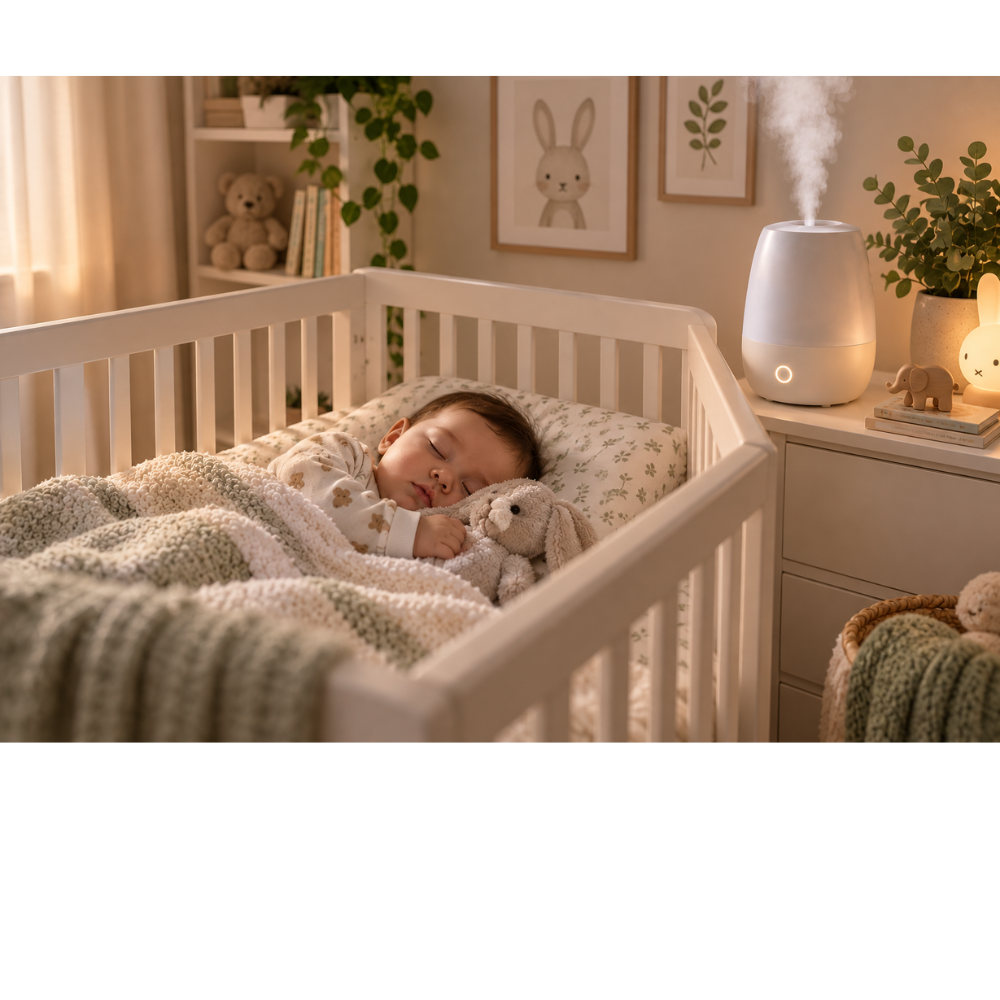
As parents, we want our babies and toddlers to feel comfortable, breathe easily, and sleep peacefully, especially during the colder months. When the temperature drops and we turn on the heating, the air inside our homes can become dry. This may leave your little one's nose, lips, and skin feeling uncomfortable.
One product many parents consider during winter is a humidifier. But is a humidifier really necessary for babies and toddlers? What are its benefits, and are there any disadvantages you should know about?
In this guide, we'll explain what a humidifier does, how it can help your child, its pros and cons, and what parents should consider before purchasing one.
What Is a Humidifier?
A humidifier is a device that adds moisture to the air inside your home. It helps increase indoor humidity when the air becomes too dry.
During winter, indoor heating can contribute to dry air. This is particularly common in homes where heating systems run frequently.
A humidifier releases moisture into the air, helping create a more comfortable indoor environment for your baby or toddler.
However, a humidifier is not something every child automatically needs. If your home's humidity level is already comfortable, adding extra moisture may not provide any additional benefit.
The goal is balanced humidity, not excessive moisture.
Why Is a Humidifier Important for Babies and Toddlers?
Babies and toddlers can be sensitive to changes in their environment. Dry air may contribute to discomfort, particularly when a child already has a dry nose, irritated skin, or cold symptoms.
Here are some potential benefits of using a humidifier when indoor air is dry.
1. Helps Relieve Dry Nose and Nasal Discomfort
One of the most common reasons parents use a humidifier is to help with dry nasal passages.
When the air is dry, the inside of your child's nose may feel irritated or uncomfortable. Adding moisture to the surrounding air may help prevent excessive dryness.
A cool-mist humidifier can be especially useful when your baby has a stuffy nose during a cold. Moist air may help keep nasal secretions from becoming too dry, making it easier to manage congestion.
However, a humidifier does not cure a cold or guarantee that your child will breathe better. It is a comfort measure, not a medical treatment.
Parent tip: If your baby has nasal congestion, ask your healthcare professional about age-appropriate saline drops and other safe ways to help clear their nose.
2. May Help Your Child Feel More Comfortable During a Cold
Colds are common among babies and toddlers, especially when they begin daycare or preschool and encounter other children.
A cold can come with symptoms such as:
- Runny nose
- Stuffy nose
- Cough
- Dry or irritated nasal passages
- Difficulty settling comfortably at bedtime
When the air inside your home is dry, a humidifier may help make the environment more comfortable.
Cool mist can add moisture to the air, which may soothe irritation associated with dryness. Some parents choose to use a humidifier in their child's bedroom during the night.
It is important to remember that a humidifier does not eliminate viruses, shorten every cold, or replace medical care. Its purpose is to support comfort while your child recovers.
3. May Support More Comfortable Sleep
When your baby or toddler has a dry nose or feels uncomfortable in a heated bedroom, settling down for sleep can become more difficult.
A humidifier may help by adding moisture to dry air. Some models also have a quiet operating mode, making them suitable for use during bedtime.
A comfortable room environment can be helpful as part of a consistent bedtime routine.
However, a humidifier is not a sleep aid that guarantees longer or better sleep. Your child's sleep is affected by many factors, including age, illness, temperature, and their regular routine.
For safe sleep, always follow current infant safe-sleep recommendations. A humidifier should not replace appropriate sleep positioning or a safe crib environment.
4. Helps Reduce Dry Indoor Air During Winter
Winter is one of the main seasons when families consider purchasing a humidifier.
When heating is used regularly, indoor air can become dry. This may contribute to:
- Dry skin
- Dry lips
- Nasal discomfort
- Static electricity
- General discomfort from dry air
A humidifier can add moisture to the room and help maintain a more comfortable humidity level.
For babies and toddlers, this can be especially helpful when their bedroom becomes dry overnight.
Important: Use a hygrometer (a device that measures humidity) to monitor the room. The Environmental Protection Agency recommends keeping indoor relative humidity below 60%, ideally between 30% and 50%, to help control mold and other moisture-related problems.
5. Can Help Create a More Comfortable Nursery Environment
A nursery is more than a place where your baby sleeps. It is a space where your child spends time relaxing, playing, and recovering when sick.
A humidifier may be useful when the room's air is dry, but it should not be considered an essential nursery item for every family.
Some parents appreciate additional features such as:
- Quiet operation
- Adjustable mist settings
- A nightlight
- A large water tank
- A top-fill design
These features can make a humidifier easier to incorporate into your daily routine.
What Are the Benefits of a Humidifier for Babies and Toddlers?
Let's look at the main advantages in a simple way.
Potential Benefits
Helps with dry air: Adds moisture to the room when indoor humidity is low.
May soothe dryness: Can make dry nasal passages and skin feel more comfortable.
Useful during winter: Helps address dry indoor conditions caused by heating.
May provide comfort during colds: Moist air can help reduce discomfort associated with dryness, although it does not treat the infection.
Can be convenient for parents: Features such as top-fill tanks, adjustable mist, and automatic shutoff may simplify everyday use.
May be useful for the whole family: A humidifier can be used in suitable living spaces, not just a nursery.
Remember that the benefits depend on the humidity level in your home. More humidity is not always better.
Pros and Cons of Using a Humidifier for Babies and Toddlers
Before buying a humidifier, it's important to consider both the advantages and disadvantages.
Pros of a Humidifier
1. Can Help With Dry Indoor Air
A humidifier can increase moisture when your home's air is too dry. This may improve comfort during the winter.
2. May Help With Nasal Dryness
Moisture in the air may help reduce discomfort associated with dry nasal passages.
3. Useful During Cold Season
When children experience a cold, a humidifier may provide additional comfort, particularly if the air is dry.
4. Can Be Used in Different Rooms
Depending on the model, a humidifier may work in a nursery, bedroom, or family living area.
5. Different Features Can Make It Easier to Use
A top-fill design, automatic shutoff, and adjustable mist can be convenient for busy parents.
Cons of a Humidifier
1. It Requires Regular Cleaning
This is one of the most important disadvantages to understand.
A humidifier holds water, and if it is not cleaned and maintained properly, microorganisms can grow inside the tank or other parts of the device.
When a contaminated humidifier operates, it may release microorganisms or minerals into the air.
For a baby or toddler, you want to be especially careful about keeping the device clean.
Parent tip: Follow the manufacturer's cleaning instructions, empty standing water regularly, and allow the tank to dry as directed.
2. Too Much Humidity Can Cause Problems
A humidifier is not beneficial when it makes the room excessively humid.
High humidity can contribute to mold and dust mite growth. It can also create moisture on windows, walls, and furniture.
Excessive humidity may be especially problematic for children who have allergies or respiratory sensitivities.
Using a hygrometer can help you monitor indoor humidity and avoid adding unnecessary moisture.
3. It Can Spread Minerals Into the Air
Some ultrasonic humidifiers can disperse minerals from tap water into the air. This may create a fine white dust, depending on the water quality and the device.
The manufacturer's instructions may recommend distilled or filtered water to reduce mineral buildup.
Always follow the water recommendations for your specific humidifier.
4. It Requires Additional Maintenance
A humidifier is another item parents need to maintain.
You may need to:
- Refill the water tank
- Clean the water reservoir
- Inspect the device for buildup
- Replace components when required
- Monitor humidity levels
If you are already busy with work, children, and household responsibilities, it is worth considering whether you can maintain the device consistently.
5. It Does Not Cure a Cold
This is an important point for parents.
A humidifier can help with comfort, but it does not kill the viruses that cause common colds or guarantee faster recovery.
It should not replace medical advice, appropriate hydration, or other care recommended for your child.
Cool Mist vs. Warm Mist: Which Is Better for Babies?
There are different types of humidifiers, including cool-mist and warm-mist models.
For households with babies and toddlers, cool-mist humidifiers are generally preferred from a burn-safety perspective because they do not use hot water or steam to produce the mist.
Warm-mist humidifiers heat water, creating a potential burn risk if a child gets close to the hot water or steam.
Cool-mist models still require safety precautions:
- Keep the humidifier out of your child's reach.
- Place it on a stable, waterproof surface.
- Keep electrical cords away from children.
- Follow the manufacturer's instructions.
- Never allow your child to play with the device.
Cool mist does not automatically mean a humidifier is risk-free. Safe placement and proper maintenance are essential.
How to Use a Humidifier Safely Around Your Baby or Toddler
If you decide to use a humidifier, here are some practical safety tips.
1. Keep Humidity at a Comfortable Level
Use a hygrometer to monitor the room's relative humidity.
A common recommended target is around 30% to 50%, while avoiding levels above 60%.
The ideal level may depend on your home and your child's needs.
2. Clean the Humidifier Regularly
Follow the manufacturer's cleaning instructions carefully.
Do not assume that a filter-free humidifier requires no cleaning. Water reservoirs and internal surfaces still need maintenance.
3. Use the Recommended Water
Check the product manual to determine whether distilled, filtered, or tap water is appropriate.
Using the recommended water can help reduce mineral buildup and the release of mineral particles.
4. Place It Away From the Crib
Keep the humidifier on a stable surface where your child cannot reach it.
Avoid placing it directly beside the crib or where mist can make bedding, walls, or furniture damp.
5. Stop Using It If You Notice Excess Moisture
If you see condensation on windows, damp walls, or wet surfaces around the humidifier, reduce its use and check the room's humidity level.
Your goal is comfortable air, not a damp room.
6. Never Add Essential Oils Unless the Manufacturer Specifically Allows It
Essential oils are not automatically safe for babies and toddlers.
Some humidifiers have a separate diffuser function, but that does not mean every oil or fragrance is suitable for young children.
Always check the manufacturer's instructions and consult a healthcare professional if you have concerns about using fragrances around your child.
Frida Baby 3-in-1 XL Cool Mist Top Fill Humidifier for Large Rooms
If you're looking for a humidifier for your nursery, bedroom, or family living space, the Frida Baby 3-in-1 Humidifier XL + Diffuser + Nightlight is one product worth exploring.
It combines a cool-mist humidifier with additional features designed for convenience and nighttime use.
<Frida Baby 3-in-1 Humidifier - Cold Season>
Product Features
According to Frida's official product information, the XL model includes:
- Extra-large 6-liter tank: Designed to provide up to 60 hours of runtime under the manufacturer's stated conditions.
- Large-room coverage: Designed for spaces up to 600 square feet.
- Top-fill design: Makes refilling easier without needing to remove the entire tank.
- Carrying handle: Helps with moving the tank.
- Filter-free design: Does not require a replaceable water filter, but still needs regular cleaning.
- Automatic shutoff: Turns off when the water runs out.
- Low-water indicator: Helps you know when the water level is low.
- 360-degree mist direction: Allows you to adjust the mist outlet.
- Whisper-quiet design: Intended for quieter operation.
- Nightlight and diffuser functions: Provides additional features beyond humidification.
Features, coverage, and runtime are based on the manufacturer's product information. Actual performance can vary depending on operating conditions.
Why This Humidifier Could Be Useful During Cold Season
During winter, indoor heating can make the air feel dry, especially in bedrooms where children sleep. The Frida Baby XL model has a large 6-liter tank and is designed for larger rooms, which may be convenient for parents who want fewer refills throughout the night.
Its cool-mist function may help create a more comfortable environment when the air is dry or when your child has cold-related nasal discomfort.
The top-fill design can also be helpful for parents who want a simpler refilling process.
However, this humidifier does not cure colds, prevent infections, or guarantee better sleep. Its usefulness depends on whether your room actually needs additional moisture and whether you maintain it properly.
What I Like About This Product
For parents, convenience matters. A humidifier that is difficult to fill or clean may become frustrating to use regularly.
The Frida Baby XL's large tank, top-fill opening, carrying handle, and automatic shutoff are features that may make everyday use more convenient.
The nightlight is another feature that some families may appreciate during nighttime routines.
A feature to consider: Although the product is filter-free, parents should still pay attention to cleaning and water quality. Filter-free does not mean maintenance-free.
Things to Consider Before Buying
Before purchasing, think about the following:
- Is your child's bedroom dry enough to need a humidifier?
- Do you have space for a large water tank?
- Can you clean the device regularly?
- Do you need the diffuser and nightlight functions?
- Is the room within the manufacturer's stated coverage area?
A large-capacity humidifier is not necessarily the right choice for every nursery. Choose based on your room, routine, and maintenance needs.
Frequently Asked Questions
Does a humidifier help babies breathe better?
A humidifier may help relieve discomfort from dry air and may soothe dry nasal passages. It does not treat the underlying cause of breathing problems or guarantee easier breathing. Seek medical attention if your baby has concerning breathing symptoms.
Should I leave a humidifier on all night?
It depends on the device, room humidity, and manufacturer's instructions. If you use one overnight, monitor humidity, avoid excessive moisture, and maintain the device properly.
Can a humidifier help with a baby's cough?
Moist air may provide some comfort when dryness contributes to irritation. However, a humidifier does not treat the causes of cough, and persistent or concerning coughs should be assessed by a healthcare professional.
Is a humidifier necessary for every baby?
No. A humidifier is not essential for every baby. It may be helpful when indoor air is too dry, but it is not needed if your home's humidity is already comfortable.
How often should I clean my baby's humidifier?
Follow the specific cleaning schedule and instructions provided by the manufacturer. Regular cleaning is essential, even if the humidifier is filter-free.
Final Thoughts
A humidifier can be a useful addition to your home during dry winter months, particularly when your baby or toddler experiences discomfort from dry air.
It may help soothe dryness and create a more comfortable environment, but it is not a cure for colds and does not replace medical care.
Before purchasing one, consider your home's humidity level, the size of the room, the product's features, and your ability to maintain it regularly.
The best nursery environment is one that is comfortable, clean, and safe for your little one.
At SoftNestStyle, we believe that choosing baby essentials should be about understanding what your family actually needs, not buying every product marketed to parents.
Keep reading
Two useful next stops.
2026-08-23
Diaper Changes 101: Keep Baby Clean & Rash-Free
A simple, first-time-parent guide to diaper changes: how often to change diapers, when to use wipes, how to clean gently, what diaper cream actually does, and when a rash needs medical attention.
2026-06-20
Wearable Pump Comfort: What Better Fit Can—and Cannot—Fix
A practical guide to wearable-pump fit, comfort, and expectations, with a closer look at where the Momcozy M6 may suit a pumping routine.